Top Digital Marketing and SEO Services in Kansas City: Your Go-To Agency for Web Design, WordPress, and Custom Solutions
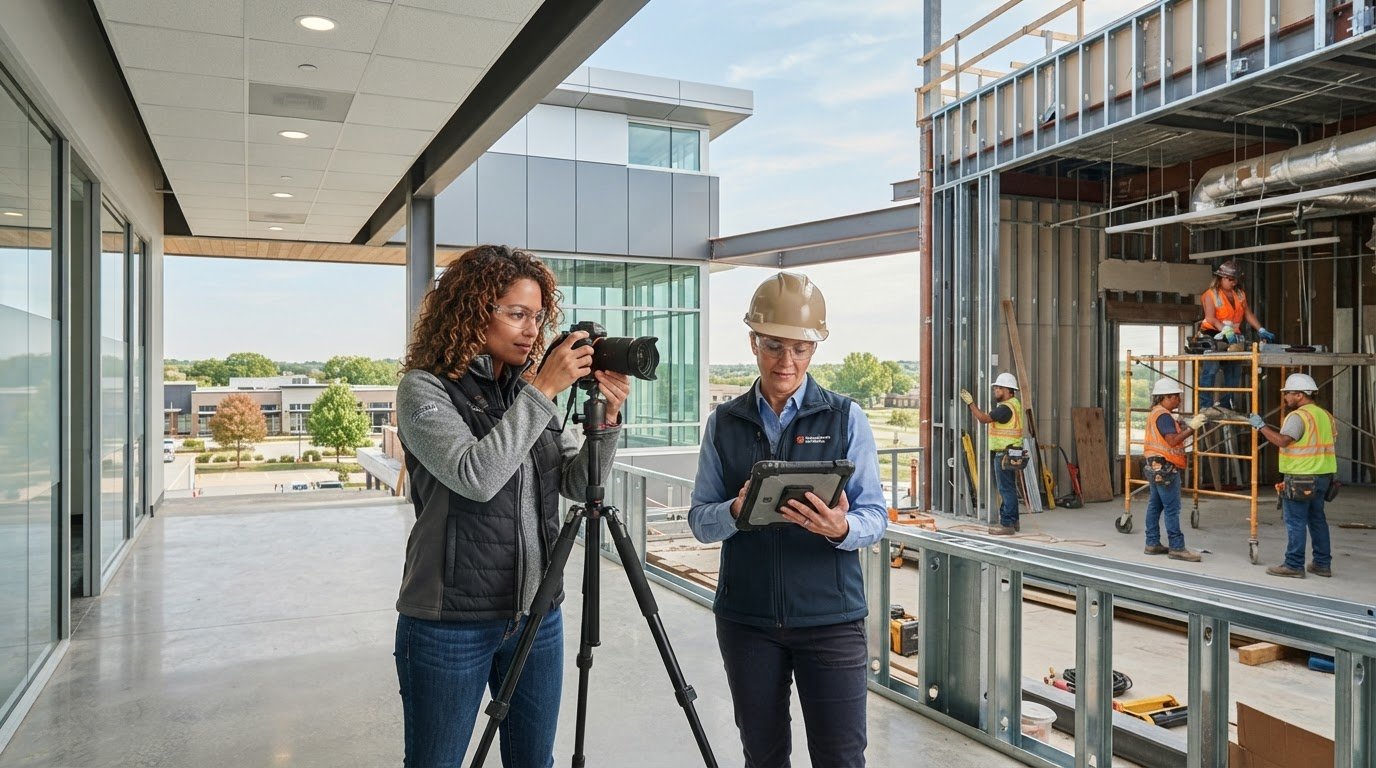
What if the strongest images of a construction project are captured before the final walkthrough? Progress photos can show the work behind a finished space, while completed-project images help a business present its capabilities. Olathe commercial photography for construction projects works best when the shoot is planned around project milestones and how the images will be used.
It’s easy to focus on getting attractive photos and still miss visuals your business needs for its website, portfolio, sales materials, or social content. A clear brief connects the project story to those goals, giving the timing and shot priorities a practical purpose.
In this guide, we’ll explain how to plan photography around active construction and completion, identify the details worth capturing, and match images to their intended audiences. We’ll also show how we coordinate photography with content and digital marketing for businesses in Olathe, Overland Park, Leawood, and Kansas City.
Key Takeaways
- Build a photography brief around the project story and the business goals each image should support.
- Map key construction milestones so progress and finished details are captured at the right time.
- Compare photography options in Olathe by project fit, planning, visual style, intended uses, and communication.
- Prepare for shoot day by clarifying access, priority areas, site contacts, and project readiness.
- Plan Olathe commercial photography for construction projects alongside content and digital marketing to create a consistent visual presence.
Why Olathe Construction Projects Need a Planned Commercial Photography Brief
Construction work changes quickly. A space that’s open and unfinished one week may be closed in, fitted out, or ready for handover soon after. Your website, portfolio, and sales materials also need clear visuals that explain what your business does. Without a plan, a shoot may produce attractive images but miss the details that make a project meaningful.
A construction photography brief is a short plan defining what the images should show, who they’re for, and how your business intends to use them. It gives the photographer and project team a shared purpose before they set priorities or timing. This construction photography overview describes the practice’s role in recording construction and promoting projects. Those purposes benefit from distinct image plans.
Documentation and promotional photography can overlap, but they serve different needs. Documentation may focus on progress, specific work areas, or a record for project stakeholders. Promotional images present completed spaces, craftsmanship, and your company’s role to prospective clients or employees. Defining the audience helps determine what to photograph, when to capture it, and which details deserve attention. That distinction is central to Olathe commercial photography for construction projects.
What should commercial construction photography communicate?
Start with three decisions: which project you’re showing, who needs to see it, and what the images should help them understand. A client considering similar work may want to see finished spaces and material choices. Recruiting or brand-awareness content may focus more on the people, process, and variety of work.
- Craftsmanship: Include visible details such as finishes, joinery, or how materials meet.
- Finished spaces: Show how key areas look and function once work is complete.
- Project context: Establish what kind of space or work the images represent, without relying on captions alone.
These priorities keep the shoot focused. They also help distinguish client-facing images from recruiting or brand-awareness visuals, so one set of photographs doesn’t have to tell every story in the same way.
Which Olathe project details deserve to be photographed?
Each project has its own defining features. Before the shoot, identify what makes this one distinct: its setting, layout, materials, completed areas, or a detail that reflects the scope of the work. The goal isn’t to make unsupported claims about quality. It’s to give viewers specific visual evidence of what was built and how the space comes together.
- Setting and scale: Include enough context to help viewers understand the project’s surroundings and size.
- Completed work: Prioritize spaces and elements that represent the project’s purpose.
- Meaningful details: Capture finishes, transitions, and other features that might disappear in a wide view.
Generic images of hard hats, tools, or building exteriors could represent almost any company. A project-specific brief guides the shoot toward recognizable details and a clear story. We plan commercial photography around the project and its intended marketing use, so each selected image has a purpose.
Schedule a Free Consultation with Social: Managed.
How to Plan Construction Photography Around Project Milestones
A useful shoot plan follows the work, not an arbitrary date on the calendar. Define what the images need to communicate, then identify the project stages that can show that story clearly. A progress record may call for photographs while key work is visible. A portfolio set may be most useful once spaces and details are complete. For Olathe commercial photography for construction projects, the project schedule and intended use should guide each decision.
Use this sequence to turn the brief into a practical plan:
- Define the brief. Name the project, intended audience, main message, and where the images may appear.
- Map milestones. Identify meaningful stages, such as a completed structural phase, visible installation work, or final project readiness.
- Select priorities. Mark must-have views and details, then separate optional images that can be captured if time and site conditions allow.
- Coordinate access. Align the shoot with the project contact and the people overseeing site readiness. Confirm which areas are accessible and when.
- Organize the image set. Keep project names, locations, approved captions, and intended uses with the selected images.
Milestone planning creates visual continuity by showing how a project develops through meaningful stages to completion.
Choosing the right moment to photograph active and completed work
Choose dates based on what will be visible, not simply how much time has passed. Active-work images make sense when they document a distinct stage or help explain the process. If the goal is to present a finished space, schedule photography when the areas and details intended for the story are ready. This helps avoid images that feel incomplete or no longer reflect the project’s current state.
For example, a shoot planned around an exposed installation may need to happen before that work is covered. A portfolio session, by contrast, can focus on the completed space and its finished details. The project team can identify these windows and flag schedule changes that could affect access or readiness.
Building a shot list for a construction project
Organize the shot list by image type so the session has clear priorities. Include overall views for context, closer views of visible work, material details, and finished spaces. Label each request as must-have or optional, and note its audience or intended channel. A project-page image may need to show the overall space clearly, while a social post might draw on one distinctive detail.
Keep the shot list connected to project information. Record the project name and location, along with approved captions and intended uses, so images remain identifiable when selected later. We work with you to shape a project-specific plan. If you’re organizing a shoot, share your project photography goals with us to start a focused conversation.
How to Compare Construction Photography Options in Olathe
A useful comparison goes beyond the camera or finished image. Consider how the photography approach fits your project, how planning works, and whether the resulting visuals can support your business communications. For Olathe commercial photography for construction projects, clear criteria help you focus on practical fit and collaboration rather than broad promises.
Use these criteria to assess whether an approach aligns with your priorities:
| Factor | What to compare | Useful fit signal |
|---|---|---|
| Project fit | Does the work reflect a similar type of space, project stage, or visual challenge? | Examples give a relevant sense of scale and context. |
| Planning process | How are goals, priorities, timing, and access discussed? | The process makes room for project-specific input. |
| Visual style | How are composition, light, details, and space presented? | The overall look feels right for your business and audience. |
| Intended uses | Can the planned images serve your website, portfolio, social channels, or sales materials? | Image priorities connect to real communication needs. |
| Communication | Are decisions, revisions, and project details discussed clearly? | Expectations stay transparent as plans take shape. |
What to evaluate in a construction photography portfolio
Look for clear composition and enough context to understand what each image shows. A useful portfolio includes more than broad views: details should make relevant materials, finishes, or features visible. Notice whether the examples feel consistently presented while allowing each project to retain its own character. Focus on the work shown rather than assumptions about a photographer’s construction credentials.
Consider whether the examples reflect how you want to present your company. If a project is best understood through its overall environment, see whether the visual approach gives the space room to read clearly. If details matter most, look for images that make those elements easy to notice. A portfolio can help you discuss preferences, even when a particular example isn’t an exact match for your project.
Matching photography scope to intended business use
Different channels call for different priorities. A portfolio may need a cohesive set representing the range of your work. A project page may need context and detail, while social content may benefit from images that communicate one clear idea at a glance. Sales materials can call for visuals that support a specific explanation or conversation. Decide which uses matter before setting the scope.
Photography and video can support the same project narrative. Still images establish spaces and details, while video adds movement or sequence. At Social: Managed., we plan photography within a broader content and digital marketing strategy, connecting visuals with website design and content strategy. For more on shaping a consistent narrative across brand touchpoints, explore our Kansas City brand storytelling guide.

How Olathe Contractors Can Prepare for a Commercial Photo Shoot
A smooth shoot starts with shared expectations. Before the session, gather project details, identify who can coordinate access, and decide how the finished images should support your business. This preparation keeps the shoot focused and helps capture useful visuals without asking the project team to make decisions on the spot.
Use this checklist to get the essentials in place:
- Goals: Clarify what the images should communicate and who you want to reach.
- Project access: Identify which areas are available and who can coordinate entry and readiness.
- Priority areas: List the spaces, completed work, and details that matter most.
- Contacts: Name the project lead and the person who can answer questions on site.
- Intended uses: Note whether images are planned for a portfolio, website, social channels, or sales materials.
What to include in the photography brief
Give the brief enough context to guide decisions without turning it into a long report. Include the project background, intended audience, business goals, and key visual priorities. List essential spaces, details, and milestones, then note what viewers should understand from the images. A project page may need context and clear views of completed areas, while a portfolio set may emphasize the range of work represented.
Be specific about access and readiness. Coordinate shoot timing with the people responsible for preparing the areas and managing the site schedule. If a space won’t be ready or access changes, a project contact can help adjust priorities before the session. For Olathe commercial photography for construction projects, direct coordination keeps the plan grounded in actual site conditions.
How to keep images useful after the shoot
Agree on a simple filing approach before images are circulated. Group approved files by project and date, then label them by intended use where helpful. Consistent names make it easier to distinguish work from different locations or stages and find the right image when updating a portfolio or planning content. Keep the project name, location, and approved caption information with the image set.
Descriptions should come from accurate project context supplied by your business. Pairing images with clear, approved captions helps viewers understand what they’re seeing without overstating the work or its results. We can align image priorities with page layouts and project-page planning through our Kansas City website design work, so visual choices have a clear place in your digital presence.
A consistent visual library can support future website updates, portfolio selections, and social content. We plan photography around each project’s needs and intended marketing use, then work with you to fit the resulting assets into a broader content approach. Click here to plan your construction photography with our team.
Plan Olathe Construction Photography With a Coordinated Marketing Team
Project photos are more useful when planned with their intended placements in mind. A shared brief gives photography, content strategy, website design, and digital marketing the same direction: which project story to tell, who it’s for, and what details matter. That keeps the resulting visuals connected instead of treating each channel as a separate task.
For Olathe commercial photography for construction projects, coordinated planning also helps shape what gets captured. A project page may need a clear visual introduction and images that explain key features. A portfolio update might call for a balanced set representing the work, while social content may use a detail or progress moment to tell one part of the story. The brief connects those needs without asking every image to do everything.
Connecting construction images to a broader digital presence
Think about how an image will work alongside its surrounding content. On a project page, a selected set can help visitors understand the space and the work completed. Portfolio updates can show the range of projects a business undertakes. Social posts can focus on a specific visual detail, with a concise caption that gives it context.
Keep captions accurate and project-specific. Use the project name and relevant details supplied by your business, and describe what the image shows without overstating results. Coordinating the brief with a Kansas City digital marketing agency can help align photography with content and channel plans, supporting a consistent presence across your digital platforms.
At Social: Managed., we bring photography and video production into a broader set of creative capabilities that includes content, website design, and digital marketing. Video can offer another way to present a project, while still photography provides selected views and details. Planning both around the same project story helps the assets feel connected, even when they serve different channels.
Start planning commercial photography for your Olathe project
Bring a few essentials to the planning conversation: the project background, the audience you want to reach, the milestones that matter, the priority areas, and where you expect to use the images. If you’re considering video as well, include the story it should support. These details give us a practical starting point for a project-specific approach.
We work through the plan with direct communication and transparent collaboration, aligning visual priorities with your goals and intended uses. That creates a clearer path from project needs to coordinated marketing assets, while recognizing that each construction business has different priorities.
Give Your Next Project a Clear Visual Direction
Your next project can do more than fill a page in a portfolio. A thoughtful visual record can help your team explain the work over time, preserve useful context, and give future marketing efforts a stronger starting point. Olathe commercial photography for construction projects can support how your business tells its story, beyond the day the camera is on site.
At Social: Managed., we start by learning what matters to your business and shaping a project-specific approach around those priorities. Bring us a project in progress, a completed space, or an idea for the story you want to tell. We’ll work with you to find a direction that fits your goals and how you want to present your work. Clear priorities now can also make future visual decisions easier. Your next project has a story worth telling. Give it a thoughtful start.
Schedule a Free Consultation with Social: Managed.
Frequently Asked Questions
What should I include in a construction photography brief?
Along with the project and audience, identify who will review image selections and approve captions. Include project terminology that should stay consistent with your proposals and other customer-facing materials. If the images will feature people, note which roles or activities are relevant to the story. These details help keep the final presentation accurate and aligned with how your business describes its work.
When is the best time to photograph a construction project?
Choose a time when the conditions support the story you want to tell. For example, decide whether a completed interior should feel active and in use or clear of people and temporary items. Consider how lighting and the space’s day-to-day activity may affect the look. Sharing those preferences ahead of the shoot helps set expectations for how the project should appear.
Can construction photography support a contractor’s website and social media?
Yes. Start by considering the audience’s next question after seeing a project image. A prospective customer may want to understand the type of work shown, while a social viewer may need a quick point of interest. Pair visuals with concise, accurate context, and preview how each image reads in its planned placement before publishing.
How do I compare commercial photographers for a construction project?
Discuss the working process, not just the finished examples. Clarify how priorities are agreed on, how project details are communicated, and how your team will review selections and captions. You can also describe the visual tone you want, such as clean and understated or more people-focused. These conversations help establish whether the collaboration is clear and suited to your needs.
Should construction photography include progress photos or only finished projects?
Use progress images selectively, based on who will see them and what they need to understand. A public-facing portfolio may focus on completed work, while a progress image can clarify a project’s development for a specific audience. If you share both, label the stage clearly so viewers don’t mistake an in-progress view for the finished result.
How can we make construction project photos easier to reuse?
Before publishing, check whether each image still communicates its intended subject in its actual layout. A crop that works in a project feature may remove helpful context in a narrower placement. Keep a record of which images have already been used, too. That makes it easier to choose fresh visuals for future updates without losing track of the project story.
Does Social: Managed. provide commercial photography for Olathe businesses?
Yes. We provide commercial photography for businesses in Olathe, Overland Park, Leawood, and Kansas City. We begin by discussing the story you want the images to tell, who needs to review them, and how they fit into your broader marketing plans. That gives us a practical foundation for tailoring the photography to your project and business priorities.

Ready to get started? Reach out to Social: Managed. online, or call us at 866-324-9700. We manage your company’s social life so you can have one! You don’t need complicated packages. We listen to your goals.
Then we design and manage SEO, social media, ads, websites, and email campaigns built to deliver results. No jargon. No guesswork. Just real growth from a team that cares. Ready to get rolling? Follow Social: Managed. on Facebook for a peek into our social life.